Are you exhausted all the time despite getting enough sleep? Do you struggle to get out of bed in the morning but feel wired at night? Experience intense cravings for salt or sugar? You might be dealing with HPA axis dysfunction—commonly known as "adrenal fatigue."
Understanding Adrenal Fatigue (HPA Axis Dysfunction)
What Are Your Adrenals?
Your adrenal glands are walnut-sized organs that sit on top of your kidneys. They're responsible for producing over 50 different hormones, including:
- Cortisol: Your primary stress hormone
- DHEA: The precursor to sex hormones
- Aldosterone: Regulates blood pressure and electrolytes
- Adrenaline (epinephrine): Your "fight or flight" hormone
The HPA Axis: Your Stress Command Center
The hypothalamic-pituitary-adrenal (HPA) axis is your body's central stress response system:
- Hypothalamus (brain) senses stress and releases CRH
- Pituitary gland releases ACTH in response
- Adrenal glands produce cortisol
This system is designed for acute stress (running from a predator), not chronic modern stressors (work deadlines, financial worries, relationship stress, poor sleep).
What Is Adrenal Fatigue?
"Adrenal fatigue" isn't an official medical diagnosis, but it describes a very real pattern of HPA axis dysfunction where your stress response system becomes dysregulated after prolonged stress.
Important: Your adrenals don't actually get "fatigued" or "burn out." Instead, the HPA axis becomes desensitized and dysregulated, leading to abnormal cortisol patterns.
Stages of Adrenal Dysfunction
Stage 1: Alarm Phase (Wired)
- Cortisol pattern: Elevated throughout the day and night
- Symptoms: Anxiety, insomnia, feeling "wired but tired," weight gain (especially belly), high blood pressure
- Duration: Weeks to months of acute stress
Stage 2: Resistance Phase (Wired and Tired)
- Cortisol pattern: High in morning, crashes mid-day, spikes evening
- Symptoms: Energy crashes, sugar/caffeine cravings, afternoon fatigue, trouble falling asleep, irritability
- Duration: Months to years of ongoing stress
Stage 3: Exhaustion Phase (Crashed)
- Cortisol pattern: Low cortisol throughout the day
- Symptoms: Extreme fatigue, difficulty waking, depression, low blood pressure, salt cravings, brain fog, multiple food sensitivities
- Duration: Years of chronic stress without intervention
Do You Have Adrenal Dysfunction? Key Symptoms
Primary Symptoms:
- ✓ Overwhelming fatigue not improved by sleep
- ✓ Difficulty getting out of bed in the morning
- ✓ Need for caffeine or sugar to get through the day
- ✓ "Crashing" in the afternoon (2-4pm)
- ✓ Second wind of energy around 10-11pm
- ✓ Feeling better after meals
- ✓ Cravings for salt or salty foods
- ✓ Brain fog and difficulty concentrating
- ✓ Low blood pressure or dizziness upon standing
- ✓ Decreased ability to handle stress
Secondary Symptoms:
- Weakened immune function (frequent infections)
- Mood changes (depression, anxiety, irritability)
- Low libido
- Hair loss
- Dry skin
- Weight gain (or difficulty losing weight)
- PMS or irregular periods
- Insomnia despite exhaustion
- Chronic pain or inflammation
Testing: How to Know for Sure
1. Salivary Cortisol Testing (Gold Standard)
Measures cortisol 4 times throughout the day:
- Morning (7-8am) - should be highest
- Midday (11am-12pm)
- Afternoon (4-5pm)
- Evening (10-11pm) - should be lowest
Ideal pattern: High in morning, gradually declining throughout day
2. DUTCH Test (Comprehensive)
- Measures cortisol metabolites
- Tracks cortisol rhythm over 24 hours
- Assesses DHEA, sex hormones, neurotransmitters
- Most comprehensive option
3. Blood Tests (Less Ideal)
- Serum cortisol (single snapshot)
- DHEA-S
- ACTH
- Thyroid panel (TSH, Free T3, Free T4)
- Fasting glucose and insulin
Blood tests can miss dysfunction since they only capture one moment in time.
Root Causes: What Caused Your Adrenal Dysfunction?
1. Chronic Psychological Stress
- Work pressure and deadlines
- Financial worries
- Relationship problems
- Caregiving responsibilities
- Perfectionism and high achievers
2. Physical Stressors
- Chronic pain or injury
- Chronic infections (Lyme, mold, viral)
- Autoimmune conditions
- Gut dysbiosis and leaky gut
- Blood sugar dysregulation
3. Lifestyle Factors
- Sleep deprivation or poor sleep quality
- Overtraining or excessive exercise
- Irregular meal timing or skipping meals
- Excessive caffeine intake
- Chronic dieting or calorie restriction
4. Environmental Toxins
- Heavy metals (mercury, lead)
- Mold exposure
- Pesticides and herbicides
- Air pollution
The Adrenal Recovery Protocol
Phase 1: Rest and Stabilize (Weeks 1-4)
Goals: Stabilize blood sugar, reduce acute stressors, support basic adrenal function
Diet:
- Eat within 1 hour of waking
- Never skip meals—eat every 3-4 hours
- Combine protein + fat + complex carbs at every meal
- Eliminate caffeine completely (yes, completely)
- Reduce sugar and refined carbs
- Increase sea salt intake (especially if low blood pressure)
Supplements:
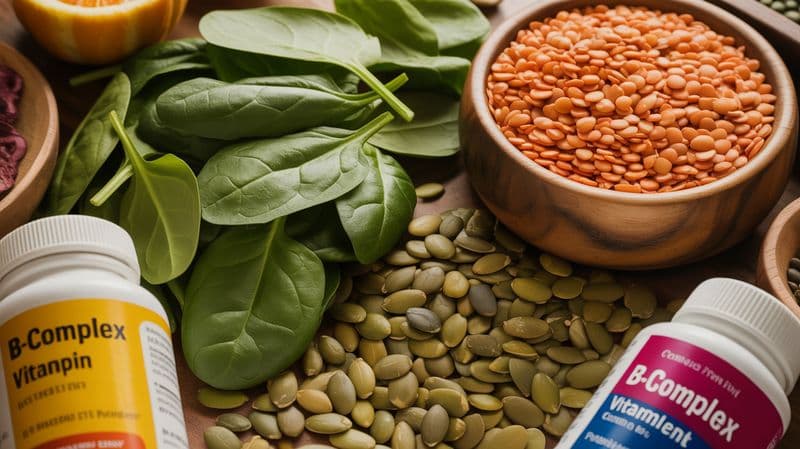
- Vitamin C: 2000-3000mg daily (split doses)
- B-Complex: High-potency with methylated B vitamins
- Magnesium glycinate: 400-600mg before bed
- Adaptogenic herbs: Start low and slow
Lifestyle:
- Sleep 8-9 hours minimum
- No exercise beyond gentle walking
- Stress management: 10-20 minutes meditation daily
- Eliminate or delegate stressors where possible
Phase 2: Rebuild and Restore (Months 2-6)
Goals: Rebalance HPA axis, restore cortisol rhythm, rebuild resilience
Diet:
- Continue blood sugar stability
- Emphasize nutrient-dense whole foods
- Adequate protein (0.8-1g per pound body weight)
- Healthy fats (20-30% of calories)
- Complex carbs (don't go too low-carb—adrenals need carbs)
Key Nutrients for Adrenal Health:
- Vitamin C: 2000-4000mg daily (adrenals have highest concentration of vitamin C)
- Pantothenic acid (B5): 500-1000mg daily
- B vitamins: Comprehensive B-complex
- Magnesium: 400-600mg daily
- Sodium: Don't fear salt (unless hypertension)
- Zinc: 15-30mg daily
- Selenium: 200mcg daily
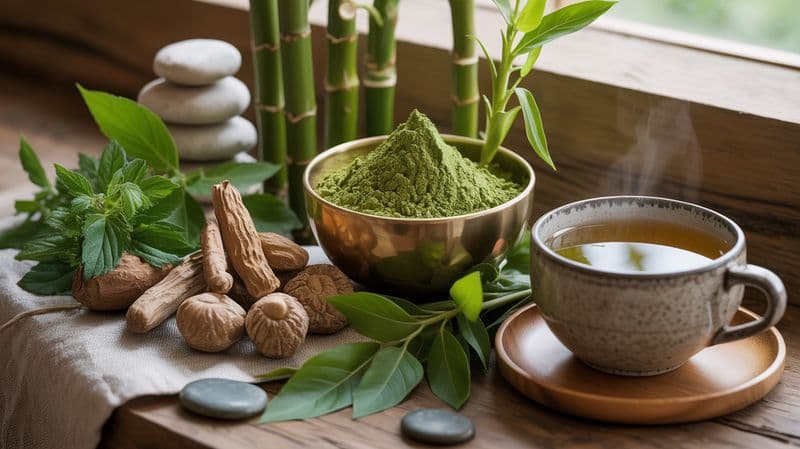
Adaptogenic Herbs:
1. Ashwagandha (KSM-66)
- Dosage: 300-600mg 2x daily
- Best for: Stage 1-2 (high cortisol)
- Mechanism: Lowers cortisol by 27-30% in clinical studies
- Benefits: Reduces anxiety, improves sleep, increases DHEA
2. Rhodiola Rosea
- Dosage: 200-400mg in morning
- Best for: Stage 3 (low cortisol), morning fatigue
- Mechanism: Increases sensitivity to cortisol, boosts energy
- Benefits: Improves physical and mental stamina, reduces fatigue
3. Eleuthero (Siberian Ginseng)
- Dosage: 300-400mg daily
- Best for: Stage 3, athletes, physical stamina
- Benefits: Increases endurance, supports immune function
4. Licorice Root (use cautiously)
- Dosage: 400-800mg in morning
- Best for: Stage 3 (low cortisol), low blood pressure
- Mechanism: Prevents breakdown of cortisol
- Caution: Can raise blood pressure. Monitor closely.
5. Holy Basil (Tulsi)
- Dosage: 300-600mg 2x daily
- Best for: All stages, anxiety, blood sugar support
- Benefits: Modulates cortisol, supports healthy blood sugar
Lifestyle Optimization:
- Sleep hygiene: Dark room, cool temperature, consistent schedule
- Stress management: Meditation, yoga, breathwork, nature time
- Social connection: Quality time with loved ones
- Boundaries: Learn to say no, delegate, protect your energy
- Gentle movement: Walking, yoga, tai chi (no intense exercise yet)
Phase 3: Rebuild Resilience (Months 6-12+)
Goals: Restore normal HPA axis function, rebuild stress resilience, resume normal activities
Diet:
- Continue nutrient-dense eating
- Can gradually reintroduce moderate caffeine (if desired)
- Listen to your body's hunger/energy cues
Exercise:
- Gradually reintroduce moderate intensity exercise
- Strength training 2-3x per week
- HIIT only if you feel strong (start with 1x per week)
- Monitor recovery—if you feel worse after exercise, dial back
Supplements:
- Continue foundational support (vitamin C, B-complex, magnesium)
- Taper adaptogens if symptoms resolved (or cycle them)
- Add phosphatidylserine (evening) if cortisol still high at night
Lifestyle:
- Maintain healthy sleep and stress management practices
- Regular relaxation and downtime
- Continue protecting your energy and setting boundaries
Foods That Support Adrenal Recovery
Best Foods:
- High-quality protein: Grass-fed beef, wild fish, pastured eggs, organic chicken
- Healthy fats: Avocado, olive oil, coconut oil, nuts, seeds
- Sea vegetables: Nori, dulse, kelp (rich in minerals)
- Colorful vegetables: 6-8 servings daily
- Fermented foods: Sauerkraut, kimchi, kefir, yogurt
- Bone broth: Rich in minerals and amino acids
- Berries: High in antioxidants, low glycemic
- Sweet potatoes: Excellent complex carb source
- Pumpkin seeds: High in magnesium and zinc
Foods to Avoid:
- Caffeine (especially in early stages)
- Refined sugar and flour
- Processed foods and seed oils
- Alcohol (very stressful to adrenals)
- Gluten (if sensitive)
- Dairy (if sensitive)
Lifestyle Practices for Adrenal Healing
1. Prioritize Sleep (Non-Negotiable)
- Goal: 8-9 hours minimum
- Bedtime: 10-10:30pm (cortisol should be lowest)
- Wake time: 7-8am (cortisol should be rising naturally)
- Sleep environment: Dark (blackout curtains), cool (65-68°F), quiet
2. Stress Management Techniques
Meditation (Evidence-Based)
- 20 minutes daily reduces cortisol by 20-30%
- Start with guided apps (Headspace, Calm, Insight Timer)
Deep Breathing
- 4-7-8 breathing: Inhale 4 counts, hold 7, exhale 8
- Activates parasympathetic nervous system
- Practice 5-10 minutes 2-3x daily
Nature Exposure
- 20-30 minutes in nature reduces cortisol by 21%
- Forest bathing (shinrin-yoku) has documented benefits
3. Exercise Guidelines
Stage 1-2 (High Cortisol):
- Gentle walking only (20-30 minutes)
- Restorative yoga
- No high-intensity exercise
Stage 3 (Low Cortisol):
- Start with walking
- Add gentle strength training
- Avoid cardio until energy improves
General Rules:
- If you feel worse after exercise, you're overdoing it
- Prioritize recovery over intensity
- More is not better during adrenal recovery
4. Stress Reduction Strategies
- Say no more often
- Delegate tasks where possible
- Simplify your schedule
- Set boundaries with work, family, friends
- Unplug from technology regularly
- Therapy or coaching if needed for mental health support
Common Mistakes That Slow Recovery
- Continuing to push through fatigue: Rest is not optional—it's required
- Too much exercise too soon: Exercise is a stressor; your body can't handle it yet
- Not eliminating caffeine: Caffeine masks symptoms and prevents healing
- Skipping meals or fasting: Blood sugar crashes stress adrenals
- Taking the wrong adaptogens: High cortisol needs different support than low cortisol
- Not addressing root causes: Gut issues, infections, toxins will prevent healing
- Expecting quick fixes: Adrenal recovery takes 6-24 months
- Going too low-carb: Adrenals need carbs to function properly
Timeline: When Will You Feel Better?
- Weeks 1-2: May feel worse (caffeine withdrawal, adjustment period)
- Weeks 3-4: Sleep starts to improve, less afternoon crashes
- Months 2-3: Noticeable improvement in energy, better stress tolerance
- Months 4-6: Sustained energy throughout day, improved mood and mental clarity
- Months 6-12: Near-complete recovery, can resume normal activities
- 12-24 months: Full HPA axis restoration for severe cases
When to Seek Professional Help
Consider working with a functional medicine practitioner if:
- Symptoms don't improve after 3-4 months of lifestyle changes
- You suspect underlying infections or toxicity
- You have complex health issues (autoimmune, thyroid, gut)
- You need guidance on testing and supplements
- Your cortisol levels are severely abnormal
Key Takeaways
- Adrenal dysfunction is HPA axis dysregulation from chronic stress
- Recovery requires addressing root causes: stress, blood sugar, sleep, gut health
- Eliminate caffeine and prioritize rest in early stages
- Blood sugar stability is crucial—never skip meals
- Adaptogens can help, but choose based on your cortisol pattern
- Recovery takes time—6-24 months depending on severity
- Lifestyle changes are more important than supplements
- Listen to your body and don't push through fatigue
References
- Cadegiani, F. A., & Kater, C. E. (2016). Adrenal fatigue does not exist: a systematic review. BMC Endocrine Disorders, 16(1), 48.
- Chandola, T., et al. (2010). Work stress and coronary heart disease. European Heart Journal, 31(17), 2213-2228.
- Lopresti, A. L., et al. (2019). An investigation into the stress-relieving and pharmacological actions of ashwagandha. Medicine, 98(37).
- Wilson, J. L. (2001). Adrenal Fatigue: The 21st Century Stress Syndrome. Smart Publications.