Your immune system is your body's defense force, protecting you against viruses, bacteria, and other pathogens. A robust immune system doesn't just fight off infections—it also plays crucial roles in healing, inflammation control, and even cancer prevention.
The good news? You have significant control over your immune health through daily choices. Let's explore proven strategies to optimize your body's natural defenses.
Understanding Your Immune System
Your immune system is actually two complementary systems:
1. Innate Immunity (First Line of Defense)
- Physical barriers: skin, mucous membranes
- Chemical defenses: stomach acid, enzymes
- Cellular defenders: macrophages, natural killer cells
- Responds immediately to threats
2. Adaptive Immunity (Specialized Response)
- B cells: produce antibodies
- T cells: destroy infected cells
- Creates immune memory
- Takes days to weeks to develop
The Key Insight: Both systems need proper support to function optimally. Weakness in either compromises your overall immunity.
Top Immune-Supporting Nutrients
Vitamin C: The Immune Powerhouse
Why It Works:
- Supports neutrophil function (first responders)
- Enhances antibody production
- Powerful antioxidant protecting immune cells
- Reduces duration and severity of colds
Research Evidence:
- Meta-analysis of 29 trials: 8% reduction in cold duration in adults
- Prevention of pneumonia in physically stressed individuals
- Enhanced recovery from respiratory infections
Optimal Dosing:
- Daily prevention: 500-1,000mg
- During illness: 2,000-4,000mg in divided doses
- For athletes/high stress: 1,000-2,000mg daily
Best Food Sources:
- Red bell peppers: 190mg per cup
- Oranges: 70mg per medium fruit
- Kiwi: 64mg per fruit
- Broccoli: 81mg per cup
- Strawberries: 85mg per cup
Supplement Form: Buffered vitamin C or liposomal for better absorption
Vitamin D: The Immune Regulator
Why It Works:
- Activates T cells
- Enhances antimicrobial peptide production
- Modulates inflammatory response
- Deficiency linked to increased infection risk
Research Evidence:
- 2017 meta-analysis: 12% reduction in respiratory infections with supplementation
- Optimal blood levels (40-60 ng/mL) associated with 50% lower flu risk
- Critical for severe COVID-19 protection
Optimal Dosing:
- Deficient (<30 ng/mL): 5,000-10,000 IU daily for 8 weeks, then retest
- Maintenance (30-60 ng/mL): 2,000-4,000 IU daily
- Take with fat for optimal absorption
Best Food Sources:
- Fatty fish (salmon, mackerel): 400-1,000 IU per 3.5 oz
- Egg yolks: 40 IU per yolk
- Fortified foods: 100-400 IU per serving
- Sunlight: 15-30 minutes daily (skin-dependent)
Supplement Form: Vitamin D3 (cholecalciferol) with K2
Zinc: The Immune Mineral
Why It Works:
- Essential for T cell development
- Maintains integrity of skin and mucous membranes
- Antiviral properties (blocks viral replication)
- Over 300 enzyme reactions depend on zinc
Research Evidence:
- Zinc lozenges reduce cold duration by 33%
- Supplementation reduces incidence of pneumonia in children by 41%
- Improves antibody response to vaccines
Optimal Dosing:
- Daily prevention: 15-30mg
- During illness: 75-100mg for first 3 days (lozenges)
- Long-term max: 40mg daily (higher doses can impair copper absorption)
Best Food Sources:
- Oysters: 74mg per 3 oz (highest!)
- Beef: 7mg per 3 oz
- Pumpkin seeds: 2.2mg per oz
- Lentils: 2.5mg per cup
- Cashews: 1.6mg per oz
Supplement Form: Zinc picolinate or glycinate for best absorption
Elderberry: Traditional Remedy Meets Modern Science
Why It Works:
- Rich in anthocyanins (powerful antioxidants)
- Inhibits viral attachment to cells
- Reduces inflammation
- Stimulates cytokine production
Research Evidence:
- Reduced flu duration by 4 days in multiple studies
- 50% reduction in air travel-related colds
- Effective against multiple influenza strains
Optimal Dosing:
- Prevention: 300-500mg extract daily
- During illness: 600-900mg daily in divided doses
- Start within 48 hours of symptoms
Caution: Some concern about "cytokine storm" in severe viral infections—discontinue if symptoms worsen
Probiotics: Immune Training Grounds
Why They Work:
- 70% of immune system is in your gut
- Train immune cells to distinguish threats
- Produce antimicrobial substances
- Strengthen intestinal barrier
Research Evidence:
- 27% reduction in upper respiratory infections
- Reduced antibiotic use in children by 29%
- Enhanced vaccine response in elderly
Optimal Dosing:
- Prevention: 10-20 billion CFUs daily
- During/after antibiotics: 50-100 billion CFUs
- Look for multiple strains including Lactobacillus and Bifidobacterium
Best Food Sources:
- Yogurt with live cultures: 1 billion+ CFUs per serving
- Kefir: 10-20 billion CFUs per cup
- Sauerkraut: 1-10 million CFUs per serving
- Kimchi: Similar to sauerkraut
Omega-3 Fatty Acids: Inflammation Controllers
Why They Work:
- Resolve inflammation without suppressing immune function
- Support T cell function
- Enhance phagocytosis (pathogen consumption)
- Reduce excessive inflammatory response
Research Evidence:
- Reduced risk of respiratory infections
- Enhanced antibody production
- Improved resolution of infections
Optimal Dosing:
- EPA+DHA combined: 1,000-2,000mg daily
- Higher doses (2,000-4,000mg) during infection
Best Food Sources:
- Wild salmon: 1,500-2,000mg per 3.5 oz
- Sardines: 1,000-1,500mg per 3.5 oz
- Mackerel: 2,000-3,000mg per 3.5 oz
- Chia seeds: 2,500mg ALA per oz (plant-based)
Immune-Boosting Foods
Top 10 Immune-Supporting Foods
- Garlic
- Allicin compound has antimicrobial properties
- Eat crushed/minced: 2-3 cloves daily
- Ginger
- Anti-inflammatory, antioxidant
- Fresh ginger tea: 1-2 inches daily
- Turmeric
- Curcumin enhances antibody responses
- 1-3g daily with black pepper (increases absorption 2000%)
- Green Tea
- EGCG supports T cell production
- 3-5 cups daily
- Mushrooms (Shiitake, Maitake)
- Beta-glucans stimulate immune cells
- 1/2 cup cooked daily
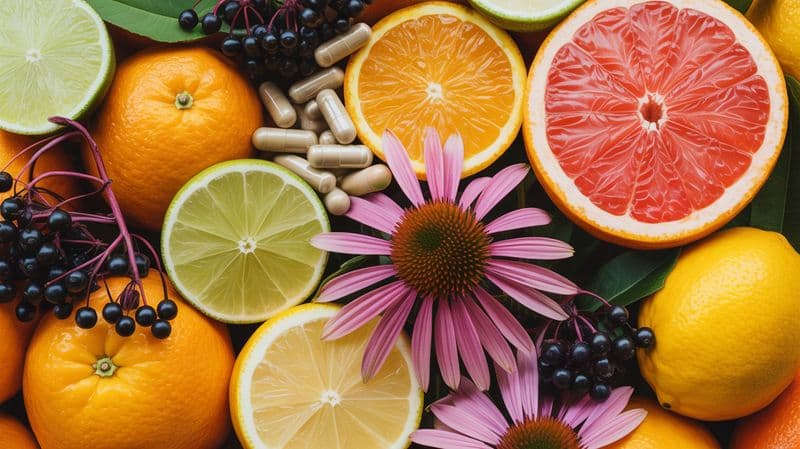
- Citrus Fruits
- Vitamin C, flavonoids
- 1-2 servings daily
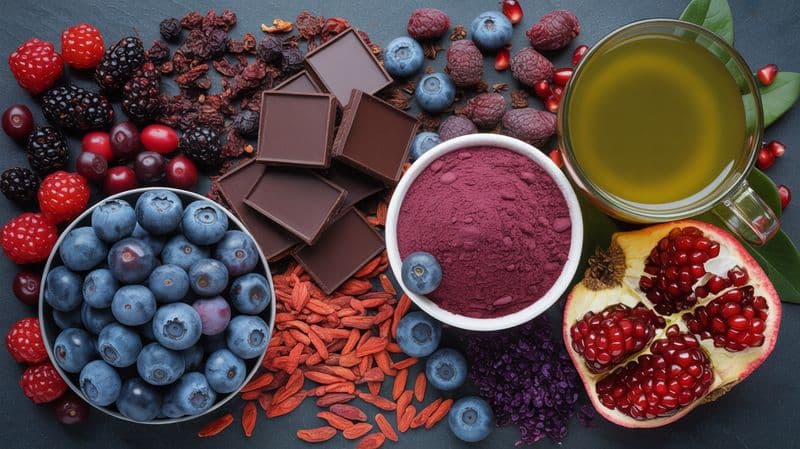
- Berries
- Anthocyanins, vitamin C
- 1 cup daily
- Leafy Greens
- Vitamins A, C, E, K
- 2-3 cups daily
- Nuts & Seeds
- Vitamin E, zinc, selenium
- 1-2 oz daily
- Bone Broth
- Amino acids, minerals
- 1-2 cups daily when sick
Lifestyle Strategies for Immune Health
Sleep: Your Immune System's Recovery Time
The Science:
- During deep sleep, your body produces cytokines
- Sleep deprivation reduces antibody production
- One night of poor sleep can reduce natural killer cells by 70%
Optimal Sleep Protocol:
- 7-9 hours nightly
- Consistent sleep schedule (even weekends)
- Cool, dark bedroom (65-68°F)
- No screens 1 hour before bed
- Avoid alcohol close to bedtime
Exercise: The Immune Modulator
The Sweet Spot:
- Moderate exercise: Enhances immunity
- Excessive exercise: Temporarily suppresses immunity
- Sedentary lifestyle: Chronic inflammation
Optimal Exercise Protocol:
- 150+ minutes moderate activity weekly
- 2-3 strength training sessions
- Include recovery days
- Reduce intensity when sick
Stress Management: Break the Cortisol-Immune Cycle
Why It Matters:
- Chronic stress suppresses immune function
- Elevated cortisol reduces lymphocyte numbers
- Stress impairs wound healing
Proven Stress Reducers:
- Meditation: 10-20 minutes daily
- Deep breathing: 4-7-8 technique
- Time in nature: 20+ minutes
- Social connection: regular quality time
- Limit news/social media
Hydration: The Forgotten Immune Supporter
Why It Works:
- Maintains mucous membrane integrity
- Supports lymphatic fluid movement
- Facilitates nutrient delivery
Optimal Hydration:
- Half your body weight in ounces daily
- More during illness or exercise
- Herbal teas count
- Limit alcohol and excess caffeine
Creating Your Immune Support Protocol
Daily Prevention Protocol
Morning:
- Vitamin D3: 2,000-4,000 IU
- Zinc: 15-30mg
- Probiotic: 10-20 billion CFUs
- Green tea with lemon
With Meals:
- Omega-3: 1,000mg with breakfast
- Vitamin C: 500mg with breakfast and dinner
- Garlic in cooking
Evening:
- Magnesium: 300-400mg (supports sleep and immune function)
During Illness Protocol
Increase:
- Vitamin C to 2,000-4,000mg daily (divided doses)
- Zinc to 75-100mg for 3-5 days (then back to 30mg)
- Add elderberry: 600-900mg daily
- Add echinacea: 400mg 3x daily
Lifestyle Modifications:
- Extra sleep (9-10 hours)
- Light activity only
- Warm fluids throughout day
- Bone broth and immune-supporting foods
High-Risk Season Protocol
Add to Daily Protocol:
- Elderberry: 300-500mg
- Extra vitamin C: 1,000mg
- Mushroom extract: 500-1,000mg
Special Considerations
For Children
- Adjust doses based on body weight
- Focus on food sources primarily
- Probiotics and vitamin D most beneficial
- Ensure adequate sleep and play time
For Elderly
- Higher vitamin D needs (test levels)
- Extra focus on protein intake
- Probiotics for gut health
- Regular social engagement critical
For Athletes
- Higher vitamin C and D needs
- Focus on recovery and sleep
- Monitor for overtraining
- Consider adaptogenic herbs
When to See a Doctor
Seek medical attention if you experience:
- Fever over 103°F or lasting more than 3 days
- Difficulty breathing
- Chest pain
- Severe or worsening symptoms
- Frequent infections (more than 4-6 colds/year)
The Bottom Line
A strong immune system is built through consistent daily habits, not quick fixes. Focus on:
- Nutrient density in your diet
- Quality sleep every night
- Moderate exercise regularly
- Stress management daily
- Strategic supplementation based on your needs
Remember: These strategies work synergistically. Doing all of them moderately beats doing one perfectly. Start with the basics—sleep, nutrition, and stress management—then add targeted supplements as needed.
Your immune system is resilient and responsive. Give it the support it needs, and it will protect you for decades to come.