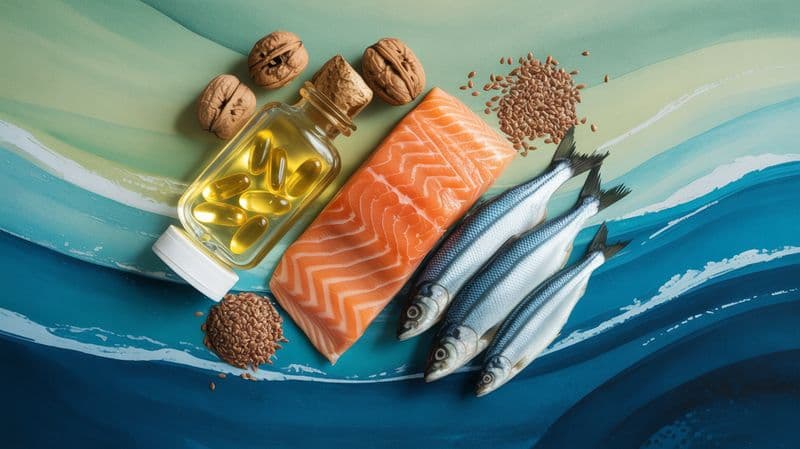
Omega-3 fatty acids are called "essential" because your body can't make them – you must get them from diet or supplements. Most Americans have an omega-6 to omega-3 ratio of 20:1, when it should be 4:1 or lower.
The Three Types of Omega-3s
EPA (Eicosapentaenoic Acid)
- Primarily anti-inflammatory
- Best for: Heart health, mood, joint pain
DHA (Docosahexaenoic Acid)
- Major component of brain tissue (60% of brain is fat, mostly DHA)
- Best for: Brain function, cognitive health, pregnancy
ALA (Alpha-Linolenic Acid)
- Plant-based omega-3 (flaxseed, chia, walnuts)
- Only 1-10% converts to EPA/DHA
- Not sufficient as sole omega-3 source
Proven Health Benefits
1. Heart Health (Most Researched)
Multiple studies show omega-3s:
- Reduce triglycerides by 20-50%
- Lower blood pressure (especially with high doses)
- Reduce heart attack risk by 25%
- Prevent irregular heartbeats
- Slow plaque buildup in arteries
Prescription-strength EPA (Vascepa): FDA-approved for cardiovascular risk reduction
2. Brain Function and Mood
Depression: Studies show omega-3s as effective as antidepressants for mild-moderate depression
Anxiety: 2000mg+ daily reduces anxiety symptoms
ADHD: Improves attention and reduces impulsivity
Cognitive decline: Higher omega-3 levels linked to slower brain aging
Alzheimer's prevention: May reduce risk by 40%
Mechanism: EPA and DHA are anti-inflammatory, increase serotonin, and maintain brain cell membrane fluidity
3. Joint Pain and Inflammation
Omega-3s are potent anti-inflammatories:
- Reduce joint pain in rheumatoid arthritis
- Decrease morning stiffness
- May reduce need for NSAIDs
Dose for arthritis: 3,000mg+ EPA+DHA daily
4. Eye Health
DHA is a major component of retina. Benefits include:
- Reduced dry eye symptoms
- Lower macular degeneration risk
- Better visual development in infants
5. Pregnancy and Child Development
Critical for:
- Brain and eye development
- Reduced preterm birth risk
- Higher IQ in children
- Lower ADHD risk
Recommended: 300mg DHA daily during pregnancy
6. Skin Health
Omega-3s:
- Reduce acne and inflammation
- Protect against sun damage
- Improve skin hydration
- May reduce psoriasis symptoms
How Much Do You Need?
General health: 1,000-2,000mg EPA+DHA daily
Heart disease prevention: 2,000-3,000mg EPA+DHA daily
High triglycerides: 4,000mg EPA+DHA daily (under medical supervision)
Depression/mood: 2,000-3,000mg EPA+DHA daily (higher EPA ratio)
Pregnancy: 300mg DHA minimum, 1,000mg+ ideal
Best Sources
Fish (Best Absorption)
- Salmon: 2,000mg per 3oz
- Mackerel: 4,000mg per 3oz
- Sardines: 1,500mg per 3oz
- Anchovies: 1,700mg per 3oz
Fish Oil Supplements
Pros: Concentrated, consistent dose
Cons: Quality varies, potential contamination
What to look for:
- Third-party tested (IFOS, USP)
- Molecular distillation (removes contaminants)
- Triglyceride form (better absorption than ethyl ester)
- Dark bottle (prevents oxidation)
Algae Oil (Vegan)
- Contains EPA and DHA
- No fishy taste
- No heavy metal concerns
- More expensive
Krill Oil
- High absorption due to phospholipid form
- Contains astaxanthin (antioxidant)
- More expensive
- Lower total omega-3 content
Dosing Tips
Take with fat: Omega-3s are fat-soluble
Avoid rancid fish oil: Smell capsules – should not smell fishy
Freeze capsules: Reduces fishy burps
Take with meals: Improves absorption, reduces GI upset
Store properly: Keep refrigerated in dark bottle
Safety and Side Effects
Omega-3s are very safe. Concerns are largely unfounded:
Blood thinning: Minimal effect even at high doses
Oxidation: Only concern if oil is rancid (smell and taste)
Heavy metals: Quality supplements are tested and clean
Mild side effects:
- Fishy burps (take with meals or freeze capsules)
- GI upset (start with lower dose)
The Omega-6 Problem
Modern diets are high in omega-6 fatty acids (vegetable oils, processed foods), which are pro-inflammatory when out of balance with omega-3s.
Strategy:
- Increase omega-3s
- Reduce omega-6 intake (vegetable oils, fried foods)
- Target ratio: 4:1 or lower omega-6 to omega-3
Testing Your Levels
Omega-3 Index Test: Measures omega-3s in red blood cell membranes
Target: 8% or higher
Average American: 4-5%
Protection zone: >8%
The Bottom Line
Omega-3s are one of the most researched and beneficial supplements available. Given modern diets and widespread deficiency, supplementation is advisable for most people.
Action steps:
- Eat fatty fish 2-3x weekly, OR
- Supplement 2,000mg EPA+DHA daily
- Choose quality fish oil (third-party tested)
- Take with fatty meal
- Consider omega-3 index test