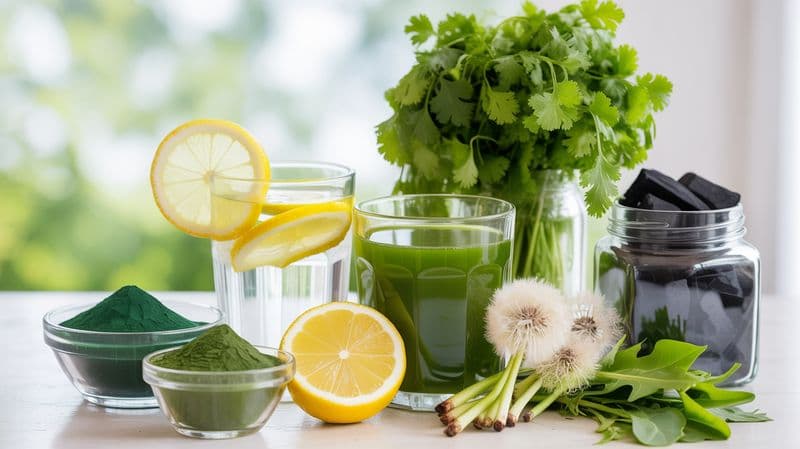
Detox Done Right: Science-Based Cleansing for Optimal Health
Table of Contents
- Understanding Detoxification: How Your Body Really Works
- Signs Your Detox Pathways Need Support
- The Science-Based Detox Protocol
- The 30-Day Whole-Body Detox Protocol
- Foods for Daily Detox Support
- Lifestyle Practices for Ongoing Detox
- Detox Pitfalls: What NOT to Do
- When to Seek Professional Help
- Key Takeaways
- References
Detox Done Right: Science-Based Cleansing for Optimal Health
The detox industry is worth billions, promising quick fixes through juice cleanses, detox teas, and extreme protocols. But most of these products are either ineffective or potentially harmful. The good news? Your body has sophisticated detoxification systems that work 24/7. The key is supporting them properly.
Understanding Detoxification: How Your Body Really Works
Your Body's Detox Organs
1. Liver (The Master Detoxifier)
2. Kidneys
3. Digestive System
4. Skin
5. Lungs
6. Lymphatic System
The Two-Phase Liver Detoxification System
Your liver is the most important detox organ. Understanding how it works is key to supporting it properly.
Phase 1: Modification
Phase 2: Conjugation
Critical Point: If Phase 1 is running too fast without adequate Phase 2 support, you accumulate toxic intermediates. This is why some people feel worse during "detox."
Common Sources of Toxins
- Heavy metals: Mercury (fish, dental amalgams), lead (old paint, water), cadmium (cigarettes), arsenic (rice, chicken)
- Persistent organic pollutants (POPs): PCBs, dioxins, DDT (stored in fat tissue)
- Plastics: BPA, phthalates (food containers, personal care products)
- Air pollution: Particulate matter, VOCs, ozone
Signs Your Detox Pathways Need Support
Common Symptoms of Toxic Burden:
Testing for Toxin Exposure:
Heavy Metals:
Environmental Toxins:
Liver Function:
Methylation Status:
The Science-Based Detox Protocol
Phase 1: Reduce Toxic Exposure (Week 1-2)
Diet:
- Organic produce: Prioritize the "Dirty Dozen" (strawberries, spinach, kale, apples, grapes, peaches, cherries, pears, tomatoes, celery, potatoes, peppers)
- Clean protein: Grass-fed beef, wild fish (low-mercury), pastured eggs, organic chicken
- Filter water: Remove chlorine, fluoride, heavy metals
- Avoid: Processed foods, conventionally-raised meat, farmed fish, plastic containers
Home Environment:
- Air quality: HEPA filter, open windows, houseplants
- Water: Install quality filter (reverse osmosis or Berkey)
- Personal care: Switch to natural, non-toxic products (EWG.org for ratings)
- Cleaning: Use vinegar, baking soda, castile soap instead of chemicals
- Cookware: Use glass, ceramic, stainless steel, cast iron (avoid Teflon/non-stick)
Phase 2: Support Phase 1 Detoxification (Week 2-4)
Key Nutrients:
B-Complex Vitamins
- Dosage: High-potency complex with methylated B vitamins
- Why: Required for cytochrome P450 enzymes
- Food sources: Grass-fed beef liver, nutritional yeast, eggs
Antioxidants
- Vitamin C: 2000-3000mg daily
- Vitamin E: 400 IU daily (mixed tocopherols)
- Why: Protect against free radical damage during Phase 1
Magnesium
- Dosage: 400-600mg daily (glycinate or malate)
- Why: Required for over 300 detox enzymes
Milk Thistle (Silymarin)
- Dosage: 300mg 3x daily (standardized to 80% silymarin)
- Why: Protects liver cells, regenerates liver tissue, increases glutathione
Foods That Support Phase 1:
Phase 3: Boost Phase 2 Detoxification (Week 4-8)
Glutathione Pathway (most important):
N-Acetyl Cysteine (NAC)
- Dosage: 600-1200mg daily
- Why: Precursor to glutathione, the body's master antioxidant
Glutathione (Liposomal or IV)
- Dosage: 500-1000mg liposomal daily OR IV therapy 1-2x weekly
- Why: Directly increases glutathione levels
Alpha Lipoic Acid (ALA)
- Dosage: 300-600mg daily
- Why: Recycles glutathione, chelates heavy metals
Selenium
- Dosage: 200mcg daily
- Why: Required for glutathione peroxidase enzyme
Foods Rich in Glutathione:
Sulfation Pathway:
MSM (Methylsulfonylmethane)
- Dosage: 1000-3000mg daily
- Why: Provides bioavailable sulfur
Cruciferous Vegetables
- Intake: 2-3 cups daily (cooked)
- Why: Rich in sulfur compounds (sulforaphane)
Epsom Salt Baths
- Protocol: 2 cups in warm bath, soak 20-30 minutes, 2-3x weekly
- Why: Provides magnesium and sulfate for detox
Methylation Pathway:
Methylfolate (5-MTHF)
- Dosage: 400-1000mcg daily
- Why: Active form of folate for methylation
Methylcobalamin (B12)
- Dosage: 1000-5000mcg daily (sublingual)
- Why: Required for methylation reactions
TMG (Trimethylglycine)
- Dosage: 500-1000mg daily
- Why: Provides methyl groups
Choline
- Dosage: 500mg daily or eat eggs daily
- Why: Methylation support, prevents fatty liver
Glucuronidation Pathway:
Calcium D-Glucarate
- Dosage: 500-1000mg daily
- Why: Prevents reabsorption of toxins and excess hormones
Foods: Apples, cruciferous vegetables, citrus fruits
Phase 4: Bind and Eliminate Toxins (Ongoing)
Once toxins are made water-soluble, they must be eliminated. Otherwise, they can be reabsorbed (enterohepatic recirculation).
Fiber (25-35g daily)
- Best sources: Flaxseeds, chia seeds, psyllium, vegetables, berries
Activated Charcoal
- Dosage: 500-1000mg 2-3x daily (away from meals and supplements)
- Why: Binds toxins in gut
- Duration: 1-2 weeks max (can bind nutrients too)
Bentonite Clay
- Dosage: 1 tsp in water, 1-2x daily (away from meals)
- Why: Binds heavy metals and mycotoxins
Chlorella
- Dosage: 3-5g daily
- Why: Binds heavy metals (especially mercury), rich in chlorophyll
Probiotics
- Dosage: 25-50 billion CFU (multi-strain)
- Why: Healthy gut bacteria metabolize and eliminate toxins
- Best strains: Lactobacillus, Bifidobacterium
Ensure Regular Bowel Movements
Phase 5: Mobilize Fat-Soluble Toxins (Week 8-12)
Many toxins are stored in fat tissue. Mobilizing them requires caution.
Infrared Sauna
- Protocol: 20-40 minutes, 3-4x weekly
- Why: Increases toxin excretion through sweat by 400-600%
- Important: Shower immediately after, stay hydrated, replenish electrolytes
Exercise
- Protocol: 30-45 minutes moderate intensity, 5x weekly
- Why: Mobilizes toxins, supports lymphatic drainage
- Best: Walking, rebounding, yoga, swimming
Dry Brushing
- Protocol: 5 minutes before shower, towards heart
- Why: Stimulates lymphatic drainage
Intermittent Fasting (if appropriate)
- Protocol: 16:8 or alternate-day fasting
- Why: Triggers autophagy (cellular cleanup)
- Caution: Not for everyone; can mobilize toxins too quickly
Essential Fatty Acids
- Dosage: 2-3g omega-3s daily (EPA+DHA)
- Why: Supports cell membrane integrity, mobilizes fat-soluble toxins
The 30-Day Whole-Body Detox Protocol
Days 1-7: Preparation
Days 8-14: Phase 1 Support
Days 15-21: Phase 2 Support
Days 22-30: Elimination Focus
Post-Detox: Maintenance
Foods for Daily Detox Support
Top Detox Foods:
Cruciferous Vegetables (2-3 cups daily)
Leafy Greens (2-3 cups daily)
Cilantro
Garlic and Onions
Beets
Turmeric
Green Tea
Lemons
Berries
Daily Detox Smoothie Recipe:
Lifestyle Practices for Ongoing Detox
1. Hydration
- Goal: Half your body weight in ounces daily
2. Sleep
- Goal: 7-9 hours nightly
3. Stress Management
4. Movement
5. Deep Breathing
Detox Pitfalls: What NOT to Do
1. Juice Cleanses
2. Extreme Calorie Restriction
3. Detoxing Too Quickly
4. Ignoring Phase 2 Support
5. Not Ensuring Elimination
When to Seek Professional Help
Consider working with a functional medicine practitioner if:
Key Takeaways
1. Your body detoxifies naturally—you just need to support it
2. Liver is the master detoxifier with two-phase system
3. Support both Phase 1 AND Phase 2 (critical!)
4. Reduce exposure first, then support elimination
5. Key supplements: NAC, glutathione, milk thistle, methylation support, binders
6. Eat detox-supporting foods daily: cruciferous vegetables, leafy greens, garlic, berries
7. Ensure regular bowel movements (1-3x daily)
8. Go slow—detoxing too fast can make you sick
9. Make it a lifestyle, not a one-time event
10. Test, don't guess—know your toxic burden
References
1. Hodges, R. E., & Minich, D. M. (2015). Modulation of metabolic detoxification pathways using foods and food-derived components. *Journal of Nutrition and Metabolism*, 2015.
2. Pizzorno, J. (2014). The kidney dysfunction epidemic. *Integrative Medicine*, 13(6), 8.
3. Crinnion, W. J. (2010). The role of persistent organic pollutants in the worldwide epidemic of metabolic syndrome. *Alternative Therapies in Health and Medicine*, 16(1), 42-49.
4. Genuis, S. J., et al. (2011). Human elimination of phthalate compounds. *BioMed Research International*, 2011.
Dr. Michael Torres
Healthcare professional and wellness expert with over 15 years of experience in natural medicine and holistic health. Passionate about empowering people to take control of their health through evidence-based natural remedies.