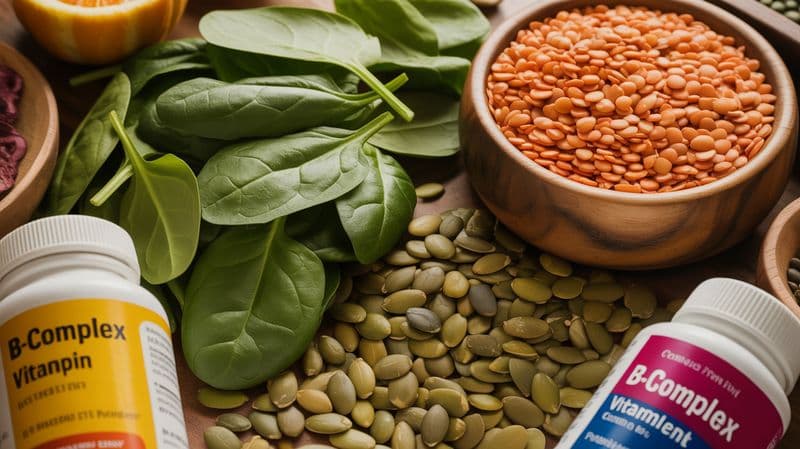
Iron Deficiency & Fatigue: The Complete Recovery Guide
Table of Contents
- Understanding Iron Deficiency
- Signs & Symptoms
- Testing: Know Your Numbers
- Dietary Iron: The Foundation
- Iron Supplementation
- IV Iron: When Oral Isn't Enough
- The Energy B-Vitamins
- Lifestyle Strategies for Energy
- Timeline & Expectations
- Maintenance Strategy
- When to See a Doctor
- Special Populations
- Success Checklist
- The Bottom Line
Iron Deficiency & Fatigue: The Complete Recovery Guide
Do you feel exhausted no matter how much you sleep? Do you get winded going up stairs? You might be among the 2 billion people worldwide with iron deficiency—the most common nutritional deficiency globally.
Iron deficiency is especially prevalent in women, vegetarians, and athletes. The good news? With the right approach, you can replenish your iron stores and reclaim your energy.
Understanding Iron Deficiency
Why Iron Matters
Iron is essential for:
- Oxygen transport: Hemoglobin in red blood cells carries oxygen throughout your body
- Energy production: Required for ATP synthesis in mitochondria
- Immune function: Supports white blood cell production
- Cognitive function: Brain uses 20% of body's oxygen
- Temperature regulation: Helps maintain body temperature
- Exercise performance: Delivers oxygen to working muscles
Bottom Line: Without adequate iron, every cell in your body suffers.
Stages of Iron Deficiency
Stage 1: Iron Depletion
Stage 2: Iron Deficiency
Stage 3: Iron Deficiency Anemia
Key Insight: Most doctors only test for Stage 3 (anemia), missing Stages 1-2 where you already feel terrible!
Signs & Symptoms
Common Symptoms
- Fatigue: Overwhelming tiredness not improved by rest
- Weakness: Difficulty with physical activities
- Shortness of breath: Especially during exercise
- Pale skin, nails, and gums
- Cold hands and feet
- Dizziness or lightheadedness
- Fast or irregular heartbeat
Less Obvious Signs
- Brain fog: Poor concentration, memory issues
- Mood changes: Irritability, anxiety, depression
- Restless leg syndrome
- Hair loss: Increased shedding
- Brittle nails: May become spoon-shaped (koilonychia)
- Frequent infections: Weakened immunity
- Pica: Craving ice, dirt, starch (severe cases)
- Sore or swollen tongue
Who's At Risk?
Women:
Dietary:
Medical:
Age:
Testing: Know Your Numbers
Essential Tests
1. Ferritin
Optimal Ranges:
Note: Standard lab range is 12-150 ng/mL, but you'll feel terrible below 50!
2. Complete Blood Count (CBC)
3. TIBC & Transferrin Saturation
4. Additional Tests (if low ferritin):
Interpreting Results
Iron Deficiency (non-anemic):
Iron Deficiency Anemia:
Dietary Iron: The Foundation
Types of Iron
Heme Iron (from animals):
Non-Heme Iron (from plants):
Top Iron-Rich Foods
Animal Sources (Heme Iron):
1. Beef liver: 5mg per 3 oz (33% DV)
2. Oysters: 8mg per 3 oz (44% DV)
3. Beef: 2-3mg per 3 oz (15% DV)
4. Sardines: 2.5mg per 3 oz (14% DV)
5. Turkey (dark meat): 2mg per 3 oz (11% DV)
6. Chicken (dark meat): 1.1mg per 3 oz (6% DV)
Plant Sources (Non-Heme Iron):
1. Lentils (cooked): 3.3mg per 1/2 cup (18% DV)
2. Tofu (firm): 3.4mg per 1/2 cup (19% DV)
3. Spinach (cooked): 3.2mg per 1/2 cup (18% DV)
4. Kidney beans: 2.6mg per 1/2 cup (14% DV)
5. Chickpeas: 2.4mg per 1/2 cup (13% DV)
6. Pumpkin seeds: 2.5mg per oz (14% DV)
7. Quinoa (cooked): 1.5mg per 1/2 cup (8% DV)
8. Dark chocolate (70%+): 3.3mg per oz (18% DV)
Fortified Foods:
Maximizing Iron Absorption
Absorption Enhancers:
Vitamin C (Increases absorption 3-4x):
- Citrus fruits
- Bell peppers
- Strawberries
- Tomatoes
- Broccoli
Example Combinations:
Other Enhancers:
Absorption Inhibitors (Avoid with iron):
Calcium:
Tannins:
Phytates:
Oxalates:
Polyphenols:
Iron Supplementation
When to Supplement
Consider supplements if:
Types of Iron Supplements
Ferrous Sulfate
Ferrous Gluconate
Ferrous Fumarate
Iron Bisglycinate (Chelated)
Ferrous Sulfate Liquid
Heme Iron Polypeptide
Dosing Guidelines
Mild Deficiency (Ferritin 30-50):
Moderate Deficiency (Ferritin 15-30):
Severe Deficiency/Anemia:
Pregnancy:
Special Protocol for Better Tolerance:
Optimizing Supplementation
Timing:
- Best absorption: Empty stomach, 1 hour before or 2 hours after meals
- If GI upset: Take with small meal (accept reduced absorption)
- Avoid: With calcium, tea, coffee, dairy
Pair With:
Avoid Taking With:
Managing Side Effects
Common Issues:
Solutions:
IV Iron: When Oral Isn't Enough
Consider IV Iron If:
Types of IV Iron:
Benefits:
Risks:
The Energy B-Vitamins
Iron deficiency often coexists with B-vitamin deficiencies, especially B12 and folate.
Vitamin B12 (Cobalamin)
Why It Matters:
Signs of Deficiency:
Testing:
Food Sources:
Supplementation:
Folate (Vitamin B9)
Why It Matters:
Food Sources:
Supplementation:
B-Complex for Energy
Consider full B-complex supplement:
- Methylcobalamin (B12)
- Methylfolate (B9)
- P-5-P (B6)
Lifestyle Strategies for Energy
While Rebuilding Iron Stores:
1. Prioritize Sleep
2. Gentle Movement
3. Stress Management
4. Address Underlying Causes
Timeline & Expectations
Week 1-2
Week 2-4
Week 4-8
Week 12-16
Month 6-12
Important: Don't stop supplementing once you feel better! Continue until ferritin is optimal (50-100 ng/mL).
Maintenance Strategy
After Replenishment:
For Women with Periods:
For Vegetarians/Vegans:
For All:
When to See a Doctor
Seek medical attention if:
Additional Testing Needed:
Special Populations
Athletes
Pregnancy
Children
Success Checklist
✅ Get proper testing (ferritin is key)
✅ Start iron supplementation if ferritin <50
✅ Choose iron bisglycinate for best tolerance
✅ Take with vitamin C, away from calcium/tea
✅ Eat iron-rich foods daily
✅ Address underlying causes
✅ Re-test in 12-16 weeks
✅ Continue until ferritin optimal
✅ Transition to maintenance dosing
The Bottom Line
Iron deficiency is common, under-diagnosed, and incredibly draining. But with proper testing, targeted supplementation, and dietary optimization, you can rebuild your iron stores and energy levels.
Key Takeaways:
Don't settle for exhaustion. Your energy can be restored!
Dr. Amanda Rodriguez
Healthcare professional and wellness expert with over 15 years of experience in natural medicine and holistic health. Passionate about empowering people to take control of their health through evidence-based natural remedies.